



Struggling to complete tasks on time?
It’s often not about effort—it’s about how tickets are written. Poor tickets create confusion, delays, and unnecessary work.
Fix this, and you’ll deliver faster and build more trust with your team.
The Root Problem
Every task goes through the same flow:
Ticket → Planning → Designing → Development → Testing → Deployment → User
If the ticket is unclear, the issue carries through every stage—leading to delays and wasted effort.
1. Vague Ticket
A vague ticket lacks essential details, forcing the team to make assumptions.
Fix:
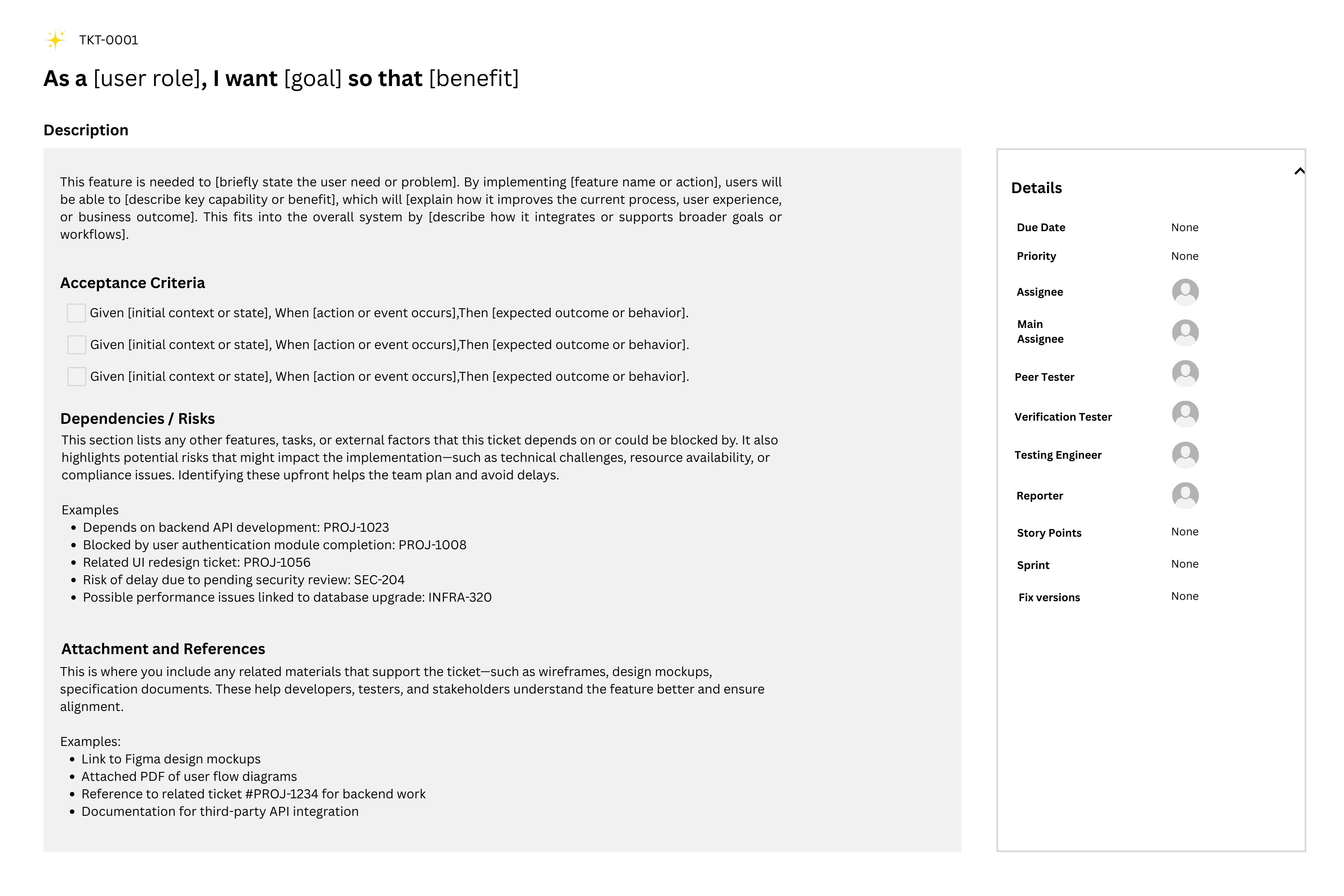
Make sure the ticket clearly answers:
What problem are we solving?
Who is it for?
What does success look like?
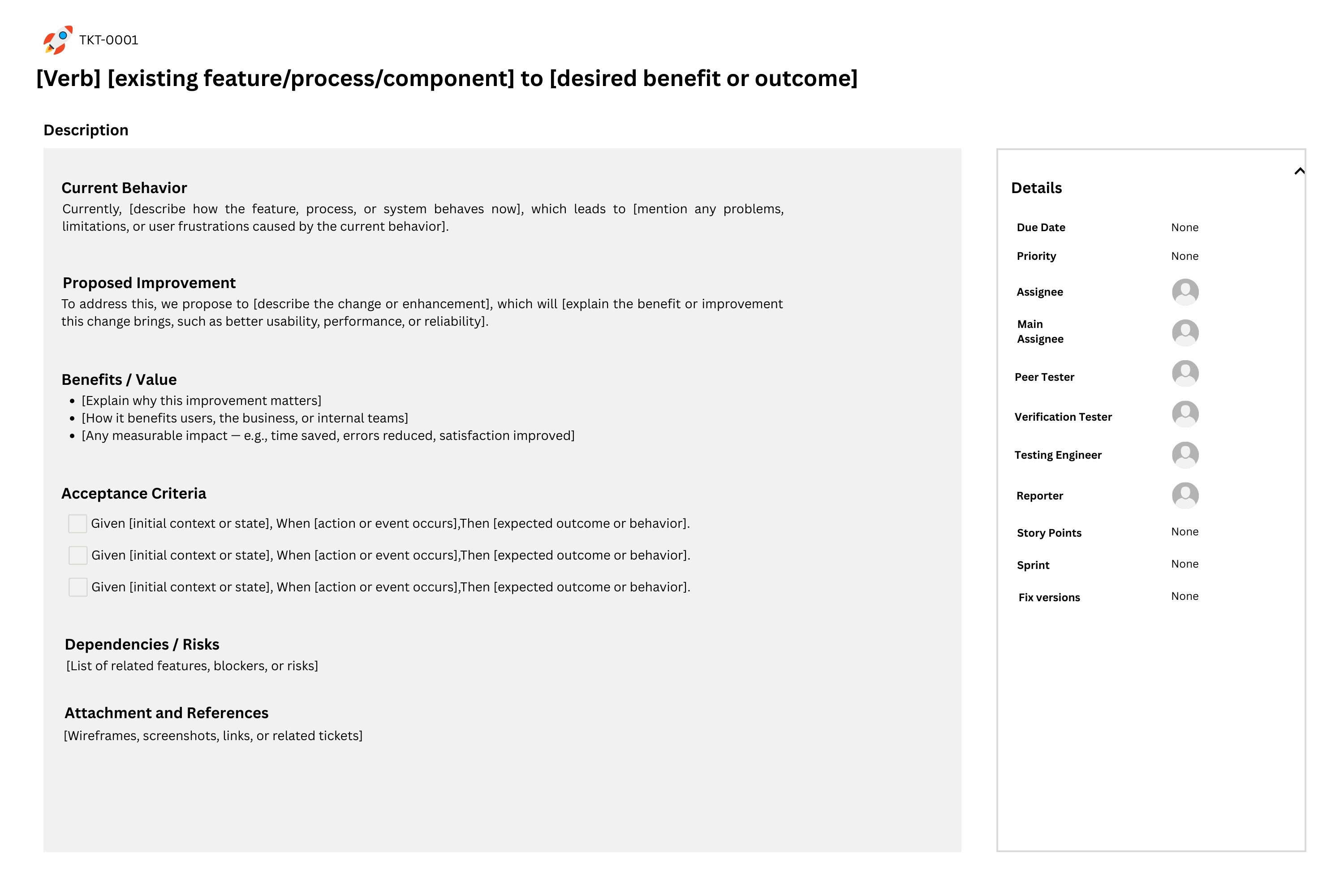
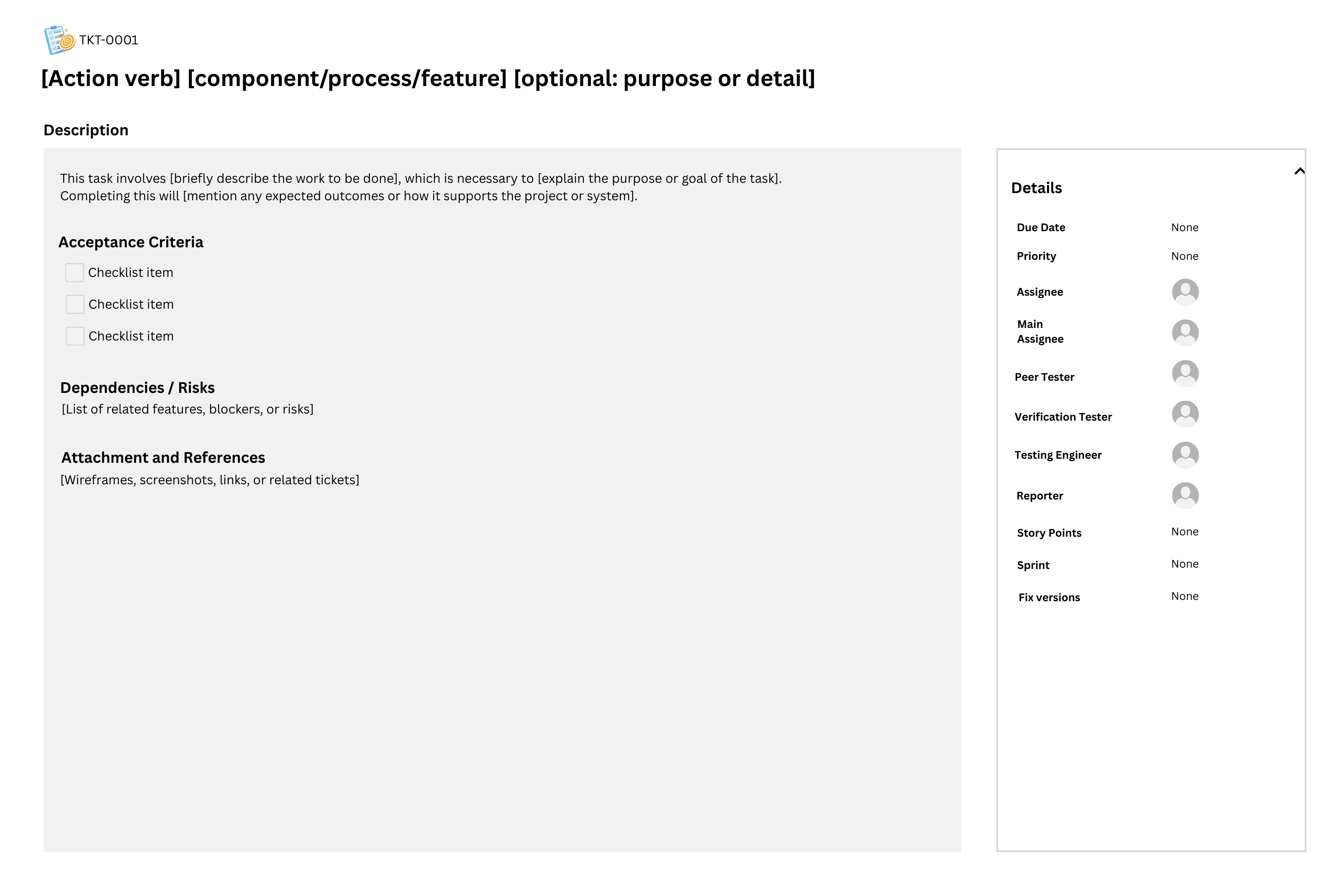
Use templates and gather details through discussions, research, and documentation.
2. Oversized Ticket
Large tickets are slow and hard to manage.
Problems:
Slow development and reviews
Delayed feedback
Hard to estimate
Fix:
Break work into small, independent tasks (1–2 days each).
3. Unplanned Ticket
Tickets added mid-sprint disrupt priorities and timelines.
Fix:
Plan thoroughly before the sprint
Push back on non-critical work
Leave buffer for unexpected tasks
4. Untestable Ticket
No clear acceptance criteria means no clear “done.”
Fix:
Write testable criteria:
Given a condition
When an action occurs
Then the expected result happens
5. Undefined UI Ticket
No design leads to misaligned expectations.
Fix:
Attach mockups or reference designs to the ticket.
6. Non-Reproducible Ticket
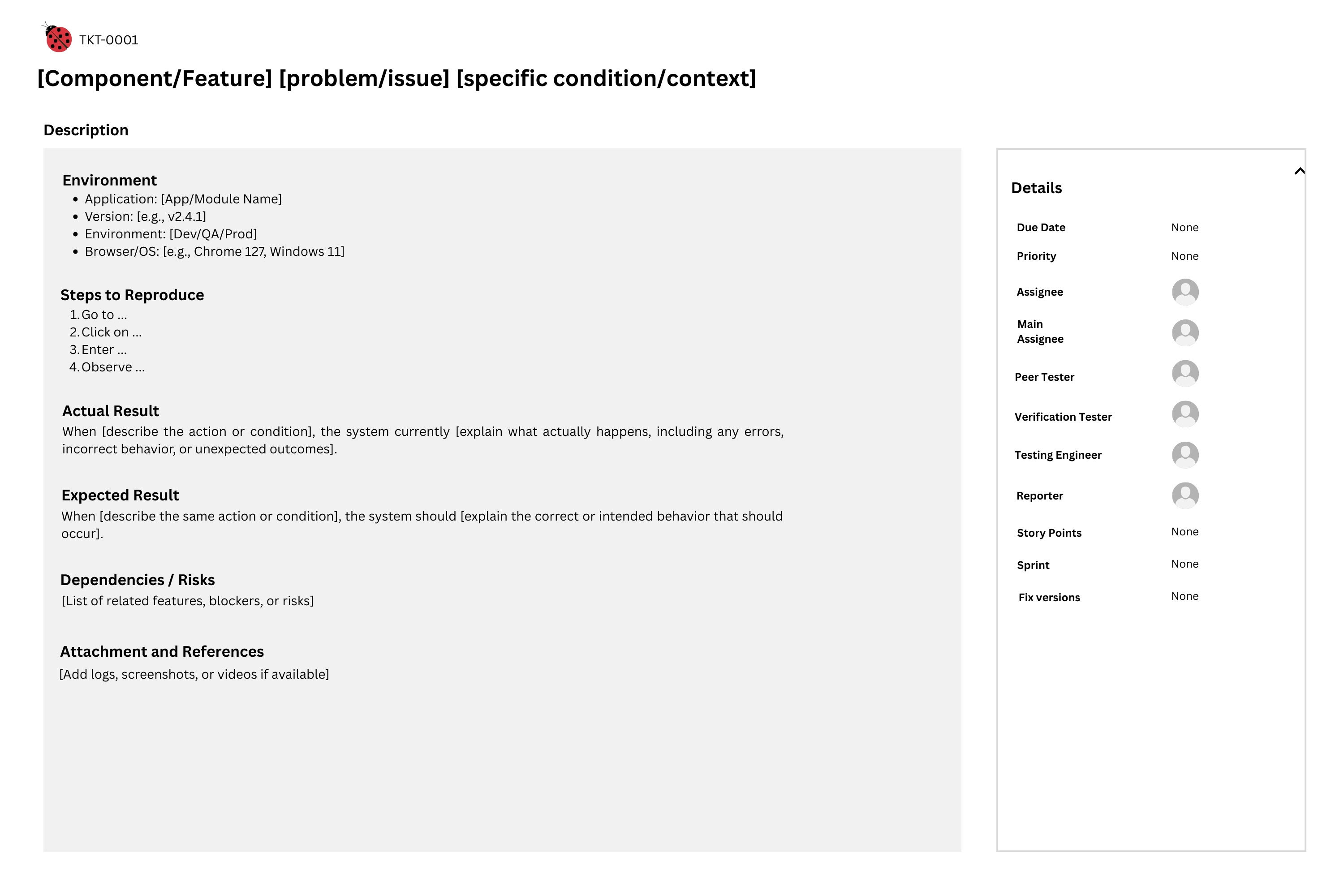
Missing steps make bugs hard to verify and fix.
Fix:
Include:
Steps to reproduce
Expected result
Actual result
7. Open-Ended Ticket
No deadline leads to hidden delays.
Fix:
Set realistic deadlines and consider all current tasks before committing.
Key Takeaways
Delays are usually caused by unclear tickets, not lack of effort
Clear tickets reduce rework and speed up delivery
Small, well-defined tasks are easier to complete and track
👉 Better tickets = faster execution + fewer problems